Escalation to Physical Force
Police officers must use adequate verbal warnings and instructions during arrests. If they fail to do so and skip to using force, they can be held accountable for “malicious or sadistic” violence. Talk to a police excessive force lawyer to assess the details of your case.

Unnecessary Use of Weapons
The deployment of lethal weapons, including guns, should be carefully controlled within police forces. Even non-lethal weapons such as tasers and batons should be used as a last resort. It is the officer’s responsibility to minimize the risk to both suspects and non-involved persons.

Illegal Chokeholds
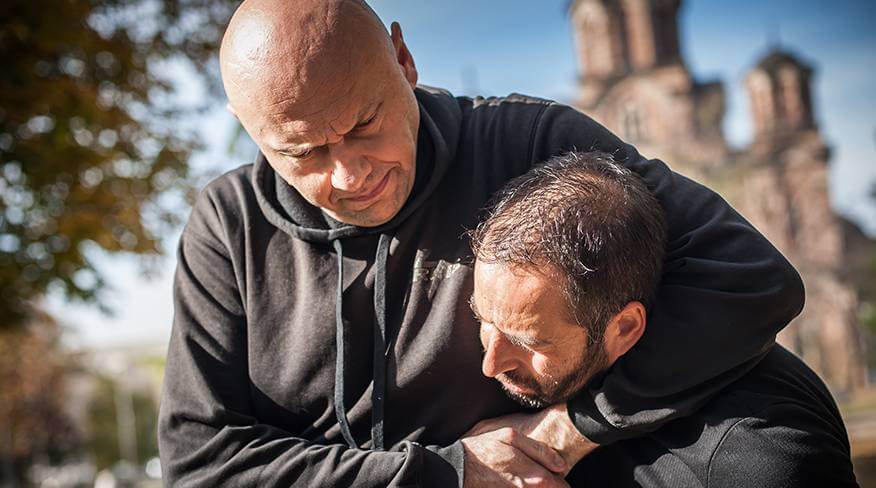
San Diego police officers are prohibited from using chokeholds or “carotid restraints,” unless the use of deadly force has been rightfully authorized. Placing pressure on the front of the neck and throat can cut off the air supply, leading to life-threatening asphyxiation.
Unreasonable Restraints or Violence
The use of restraints and/or violence in arrests is legal, but only when deemed “reasonable” based on the circumstances of the crime and interaction. If you believe a federal officer used unnecessary force while restraining you, discuss the situation with a trained attorney.